



When I reached Jageshwar to perform puja
(Prayer) of Jyotirlinga Nageshwar in Darukavan in Jageshwar situated in Almora
district in Uttaranchal.
The priest of Jageshwar temple told us that you are
going to perform your puja after 1 day meanwhile it will be my request to visit
Patal Bhubanashwar in Gangolihat.
Which is in way to Pithoragarh.
Although the distance is only 100 km but due to
single dangerous road with wild deadly curves and landslide.
It will take the
whole day to go and come back if you started the journey in the early morning.
It’s
a wonderful place which can’t be explained, only can be felt and experienced.
There is another world about 100 feet
down the earth in the cave.
Its nature made and not a man made cave and its
different structures are as old as the earth himself.
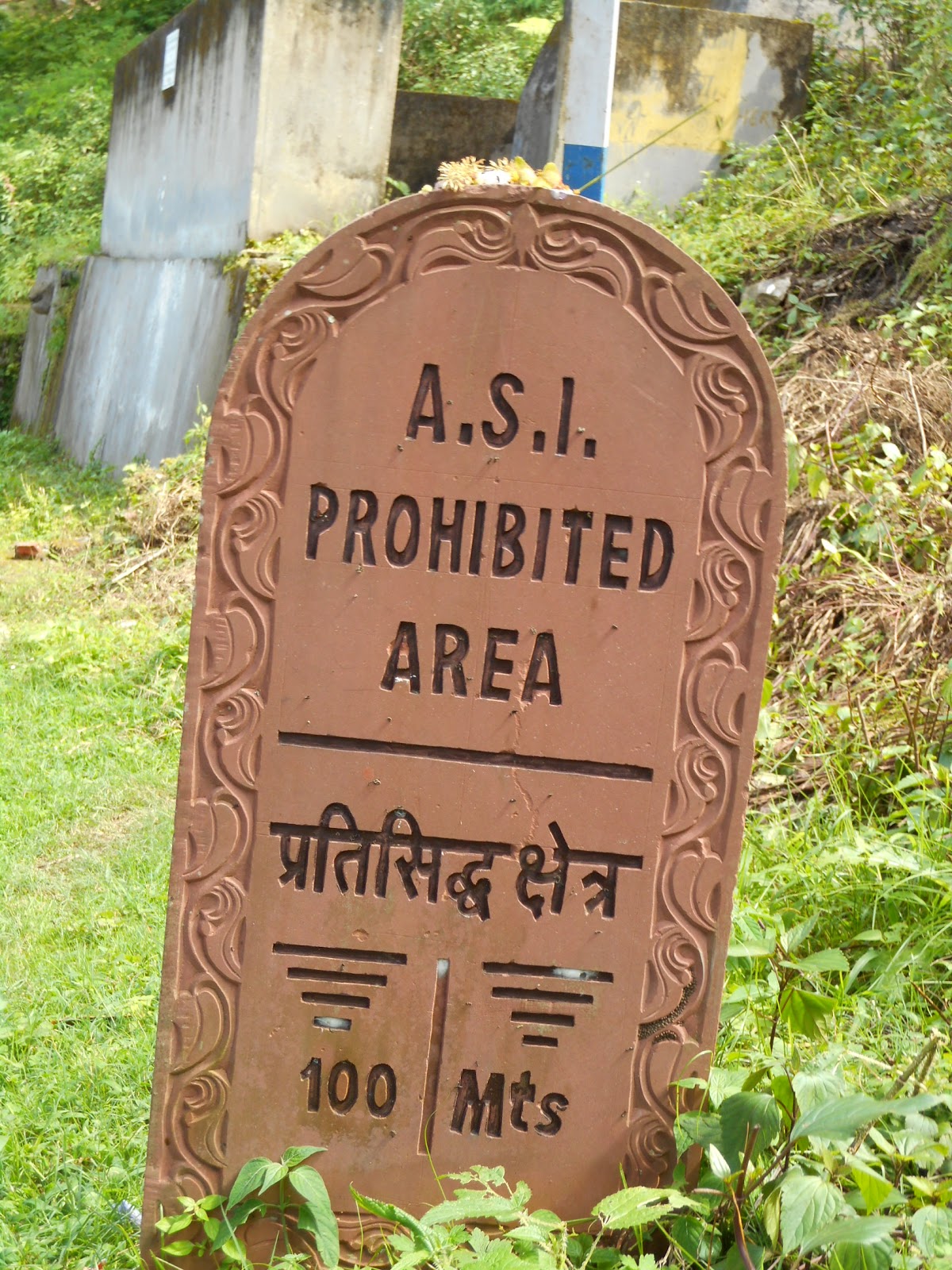
The Archeological Survey of India is its guardian and whole thing is
under its guidance and care.
The priest told us so many things and stories
for more than hour about Patalbhubaneshwara that we were thrilled and were
started thinking about that trip.
Patalbhubaneshwara
is
situated in Gangolihat in Almora district
of Uttarakhand.
It is 600 + km from Delhi through Moradabad via Kalidunga,
kashipur Nainital, Almora.
The whole route is full of lovely scene, full of
excitement, adventure and panoramic view.
Here it can be said Pictures speak.
The road crosses through Chid and Devdaru Forest and Mountain Himalaya starts
from Kalidunga.
"This awesome cave is believed to be as old as the
earth itself.
It has been mentioned in detail in the 103 chapter of Manaskhand of "Skanda Purana".
Patal bhubaneshwara
is
situated at 1,350 m above sea level is mainly dedicated to Lord Shiva.
But
at some places one will cross the height of
2000 m above sea level.
Almost
every god that you would have heard of resides in this mystifying cave.
It is
also believed that your worship at Patal Bhubaneswar is equivalent to
worshipping of Char Dham of Uttarakhand.
So my family members planned to go to
Patal Bhubanashwar next day.
It was the
month of July, a rainy season.
On mountains it rains heavily and there is
always a fear of landslide.
But overcoming the fear we started our journey at 6
AM after taking our breakfast for Patal Bhubanashwar in Gangolihat.
It was
raining and the mountain was lush green.
All
through the way we saw many landslides one can see the pictures attached with
this article.
Construction of roads was going on and on this single curvy
broken road and our SUV was running at
the speed of 20 to 35 km per hour.
Even
at some places we have to stop our vehicle 1 km ahead to give pass to another
vehicle.
Which has little space on its side.
So it’s important to understand
each other and judge before actual problem occurs.
Driving in speed and
carelessly can be deadly.
After about 4 hours of journey we reached Gangolihat
more from where we had to drive downward towards Patalbhubaneshwara Cave.
The
motorable road ends half a kilometer away from the cave entrance.
We have to
descend nearly 100 steps into this narrow cave, to reach the sanctum sanctorum.
Which gives an overwhelming feeling that we are entering the center of the
earth.
Each stone, each stalagmite within each cave or doorway, in
magnificent erection reveals the story of Hindu pantheon in the shapes of Gods,
Goddesses, saints and known mythological characters.


